The Lesson of Mercy
A Play
CAST
The Instructor
Guillotin
Robespierre
Napoleon
The First Student
The Other Students
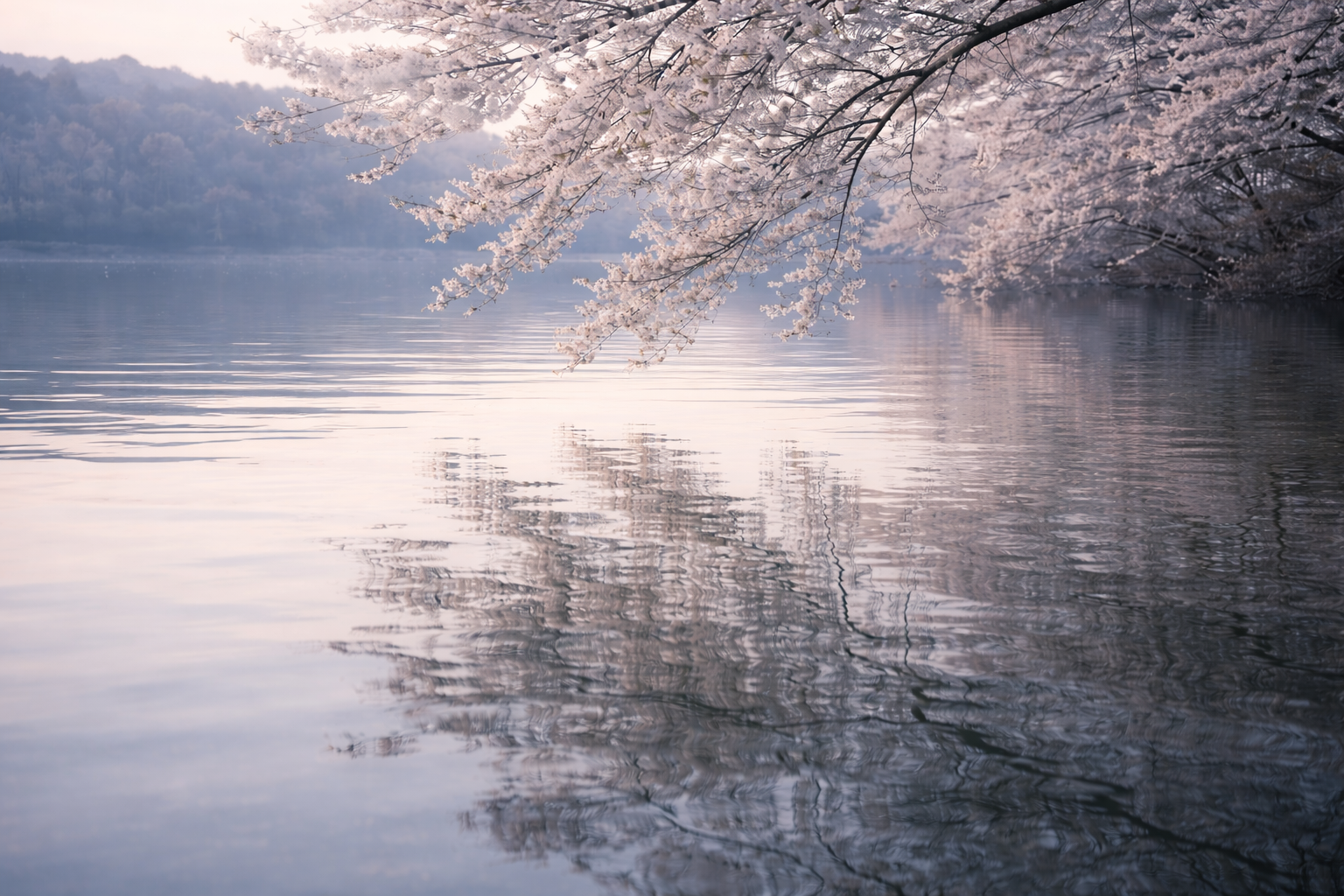
(A meadow outside the Institute for the Advancement of Dictatorships on the shores of Lake Geneva. It is a warm spring afternoon, and the cherry trees are in blossom. The students sit on loosely arranged chairs facing the water and the Instructor, who stands beside a guillotine and is wrapping up his lecture.)
THE INSTRUCTOR
So what began with the High Book of the Holy Grail reached its final, perfect form on the 25th of April 1792. Please welcome our first guest lecturer today, Doctor Joseph-Ignace Guillotin.
(Guillotin rises and walks to the machine. He pauses briefly, then turns towards the students.)
GUILLOTIN
I remember that day. It was a sunny spring afternoon. Beautiful weather, almost like today. The machine was painted red, but the crowd was not pleased.
(He hesitates.)
They were shouting for the gallows. It was too swift for them.
THE FIRST STUDENT
They wanted spectacle. You denied it to them.
GUILLOTIN
I did… And if I had had my way, I would have denied it completely.
THE FIRST STUDENT
The irony.
THE OTHER STUDENTS
What is the irony?
THE FIRST STUDENT
That his name is tied to the horrors. Forever. Even though he actually opposed the death penalty.
THE OTHER STUDENTS
He did what?
GUILLOTIN
I was always against the death penalty.
THE INSTRUCTOR
Oh? I didn’t know this.
(The students giggle.)
THE INSTRUCTOR
Silence!
THE FIRST STUDENT
It seems the blade was double-edged. You spared many from suffering. But perhaps there would have been fewer without you.
(Augustin Robespierre rises from one of the chairs among the students.)
ROBESPIERRE
That would have been a shame.
(Napoleon, who has been nodding in the last row, looks up.)
NAPOLEON
I haven’t seen you in a long while.
ROBESPIERRE
Not since Toulon.
NAPOLEON
It was a fine battle, that.
ROBESPIERRE
With eight hundred prisoners of war executed in its aftermath.
NAPOLEON
Really?
ROBESPIERRE
At Jaffa, you had thousands slaughtered because you could not guard and feed them.
THE OTHER STUDENTS
With the guillotine?
ROBESPIERRE
Mainly with bayonets.
NAPOLEON
I think we had to be economical with the bullets.
GUILLOTIN
That is gruesome.
ROBESPIERRE
My brother was fond of your invention.
GUILLOTIN
He became quite intimate with it.
ROBESPIERRE
As did I.
THE FIRST STUDENT
You volunteered to join him.
ROBESPIERRE
It was the only choice.
THE OTHER STUDENTS
How did it feel?
ROBESPIERRE
I felt pain when I saw my brother’s head fall. I had loved him very much. When it came to me, there was no pain at all.
GUILLOTIN
I am glad to hear this. You are the first I have spoken to about, well, the experience.
ROBESPIERRE
It was a fine one.
NAPOLEON
It has been a good thing, then, that we kept it in use?
THE OTHER STUDENTS
A very good thing!
NAPOLEON
I was never frivolous, though.
ROBESPIERRE
I had not quite remembered your humour.
(The students chuckle.)
THE FIRST STUDENT
He did not reign with terror.
ROBESPIERRE
He was weaker than I had thought. Terror is not excess, it is a form. It clarifies. It removes what cannot be reconciled. A society cannot sustain itself on hesitation. It must decide and it must act. Terror spares the many from the uncertainty of the few. It is not cruelty, it is resolution. There is a kind of mercy in that.
THE OTHER STUDENTS
Mercy.
THE FIRST STUDENT
It is not mercy. It is random. If we are to govern ourselves, we must be precise. We must learn from Napoleon.
NAPOLEON
From me? Where is Betsy?